Pump & Motor Repair Services
Mech Group offers comprehensive pump and motor repair services in Jeddah. It handles various pump and motor types to cater to industrial needs.
CONTRACT & SERVICING
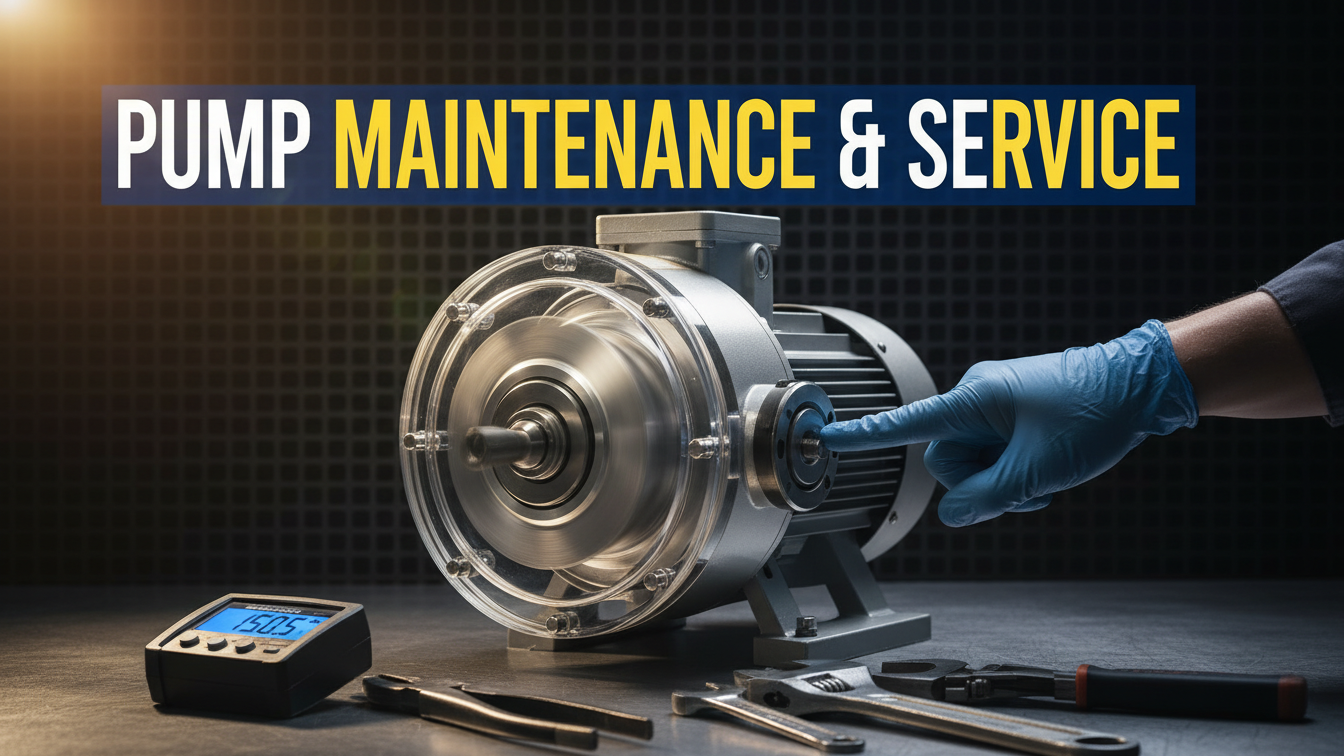
Pump Maintenance and Service: The Complete Guide to Pump Maintenance and Service: Keep Things Flowing! Let’s be honest, thinking about pump maintenance and service is about as exciting as watching paint dry. But here’s the thing—ignore it, and you’ll soon be watching a far more dramatic (and expensive) show called The Great Flood of 2023 or The Mysterious Case of the No-Water Pressure.” Pumps are the unsung, often-hidden heroes of our homes and industries.
They work hard so we can have water, comfort, and functioning processes. And like any hardworking hero, they need a little TLC. This guide is your friendly, hopefully not-too-boring, roadmap to understanding pump maintenance and service. Whether you’re a curious homeowner or a facility manager in Saudi Arabia, we’ll walk you through it step-by-step. And if it all feels like too much, don’t worry—that’s what professional maintenance companies are for!
You’ve probably heard the saying, “If it ain’t broke, don’t fix it.” Well, in the world of pumps, a better motto is, “If you don’t maintain it, it will break, and probably at the worst possible time.” Imagine it’s the hottest day of the year in Jeddah, and your AC’s circulation pump gives up. Not fun. Regular pump maintenance and service is the difference between a small, scheduled cost and a massive, panic-induced bill for emergency pump repair services.
Think of it like a car. You change the oil, check the tires, and get tune-ups. A pump needs its own version of that: lubrication, seal checks, and vibration monitoring. Neglecting it leads to inefficiency. A poorly maintained pump works harder, slurps more electricity, and delivers less performance—like trying to run a marathon in flip-flops. Ultimately, a simple maintenance schedule saves you money on energy costs, prevents catastrophic failures, and extends the life of your equipment. This is true for everything from a small Water Pump in Saudi Arabia at a villa to a large industrial centrifugal pump maintenance and service regimen.
Before you call in the pros, there’s a lot you can do yourself. You don’t need a toolbox the size of a car; you just need your senses and a bit of common sense. First, use your EYES. Look for leaks. A small drip might seem harmless, but it’s a sign that a seal is wearing out. Check for unusual corrosion or rust. Keep an eye on the pump’s pressure gauges—if the readings are outside the normal range, something’s up. Next, use your EARS. A healthy pump has a steady, rhythmic hum.
If you start hearing grinding, screeching, or loud banging sounds, it’s the pump’s way of screaming for help. These noises often mean bearing failure or cavitation (fancy Word for bubbles forming and collapsing, which is bad news).
Finally, trust your NOSE. A burning smell is a five-alarm fire signal—turn the pump off immediately! It often indicates an overheated motor, usually due to a failing bearing or an electrical issue. These simple checks are the foundation of good pump maintenance. Catching a problem early can turn a major pump repair into a minor adjustment. However, if your senses tell you something is wrong, it’s time to stop the DIY and start searching for reliable Pump repair services near me.
So, you’ve done your sensory check-up and found something funky. Or maybe you just know that tinkering with machinery isn’t your gift. That’s perfectly okay! This is exactly when you contact a professional Pump Service Center or an expert maintenance company. Trying to fix a complex pump issue without training is like doing brain surgery after watching a YouTube video—risky and messy. Professional technicians have the tools, knowledge, and experience to accurately diagnose problems.
They can perform tasks that are beyond basic DIY, such as laser alignment of couplings, dynamic balancing of impellers, or overhauling a mechanical seal. For instance, proper centrifugal pump maintenance and service require precise measurements and technical know-how. If you’re in Saudi Arabia, working with a local expert, such as a Pump supplier in Jeddah or a reputable Pump manufacturer in Saudi Arabia, ensures they understand the specific challenges your equipment faces, like sand in the water or extreme heat. Remember, calling a pro for Water pump repair services is an investment, not an expense. It gets your system back to peak efficiency and prevents you from accidentally causing more damage.
Alright, you’re convinced you need help. A quick online search for “Pump repair services” or “Pump supplier near me” will give you a million options. How do you choose? First, look for specialization. A company that specializes in industrial pump maintenance and service might not be the best fit for your home well pump. Check if they have experience with your specific pump type and brand. Second, check for credentials and reputation. Look for reviews, ask for client references, and verify that their technicians are certified. A good Pump Service Center will be transparent about this.
Furthermore, consider their responsiveness. A pump failure can halt an entire factory or leave a home without water. You need a service provider who offers emergency support. For example, if you are looking for dependable Pump repair services near me in KSA, you want a team that can get to you quickly. Local knowledge is a huge plus. A Pump supplier in Jeddah will understand the local water quality issues better than a generic international company. They can provide tailored advice and parts that suit the regional conditions for any Water Pump in Saudi Arabia.
The smartest approach to pump maintenance and service is to think long-term. Instead of just reacting to breakdowns, build a relationship with a reliable Pump Service Center or maintenance company. This means moving from a “fix-it-when-it-breaks” model to a scheduled preventive maintenance plan. A good partner will help you create a custom schedule for centrifugal pump maintenance and service, as well as for any other pump type you own. They’ll keep records of every service, so they know your equipment’s history intimately.
This partnership is incredibly valuable. Your service provider becomes familiar with your specific setup, which makes diagnostics faster and more accurate when issues do arise. They can also advise you on optimizing your system, sourcing genuine spare parts from trusted Pump manufacturers in Saudi Arabia, and even planning for future upgrades. For businesses, this proactive relationship minimizes costly downtime. For homeowners, it means peace of mind. A company like Mech Group (you can learn more at Mech Group) exemplifies this approach, offering end-to-end support from selection to ongoing service.
Let’s dive a bit deeper into what actual pump maintenance and service entail. Don’t worry, we’ll keep it simple. Think of these as the essential chores for your pump’ health. First, regular inspection and cleaning is job one. This means keeping the pump and its surrounding area free of dirt, debris, and clutter. For intake screens on Water Pumps, this is crucial to prevent clogging. A clean pump runs cooler and more efficiently.
Second, lubrication is the lifeblood of moving parts. But be careful—too much grease can be as bad as too little! Follow the manufacturer’s guidelines for the correct type and amount. Over-greasing bearings can cause them to overheat and fail. Third, check and tighten fasteners. Vibration can slowly loosen bolts and connections over time. Periodic checks with a wrench (per the proper torque specs) can prevent leaks and misalignment. Finally, monitor performance. Keep a simple log of pressure, flow rate, and energy consumption. A gradual change in any of these can be an early warning sign. These tasks form the core of any solid pump maintenance plan.
If the pump is a heart moving fluid, then the seals and bearings are its valves. They are the most common failure points and deserve special attention. Mechanical seals prevent the pumped fluid from leaking out along the shaft. A leaking seal isn’t just messy; it can allow product loss or damage other components. Part of professional pump maintenance and service involves inspecting seals for wear and replacing them before they fail completely.
Bearings, on the other hand, allow the shaft to spin smoothly with minimal friction. When bearings start to fail, you’ll hear it and often feel excessive vibration. Replacing bearings is a common pump repair task. Installing them correctly requires precision. A misaligned bearing will have a very short life. This is a key reason why partnering with a skilled provider for Pump repair services is wise—they have the press tools and laser alignment equipment to do the job right the first time, ensuring your centrifugal pump maintenance and service is truly effective.
In the end, pump maintenance and service aren’t rocket science, but they are essential disciplines. It’s the practice of being a little bit proactive to avoid being a whole lot reactive. Start with the simple checks you can do yourself. Listen to your pump—it will often tell you when something is wrong. And for the love of all things mechanical, don’t be afraid to call in the experts from a reputable maintenance company or Pump Service Center. Building a relationship with a trusted local partner, whether you need a Pump supplier in Jeddah or are consulting with major Pump manufacturers in Saudi Arabia, is the ultimate strategy for pump longevity.
Remember, a well-maintained pump is a happy, efficient, and long-lived pump. It saves you money, prevents headaches, and keeps everything flowing smoothly. So, give your pump some attention today. And if you ever feel in over your head, just pick up the phone. For expert advice and professional pump maintenance and service in Saudi Arabia, you can contact Mech Group at +966597747661 or email info@mechgroup.org. Let the professionals handle the complex stuff while you enjoy the trouble-free operation of your equipment
